
When most people think about weight loss and getting healthier, their first thought is usually cardio, eating less, or watching the number on the scale. But there is something just as important that often gets overlooked: building and maintaining muscle.
As we get older, muscle becomes even more important for our overall health, metabolism, strength, and quality of life. Whether you’re in your 30s, 40s, 50s, or beyond, it’s never too late to start focusing on building muscle!
Why Do We Lose Muscle as We Age?
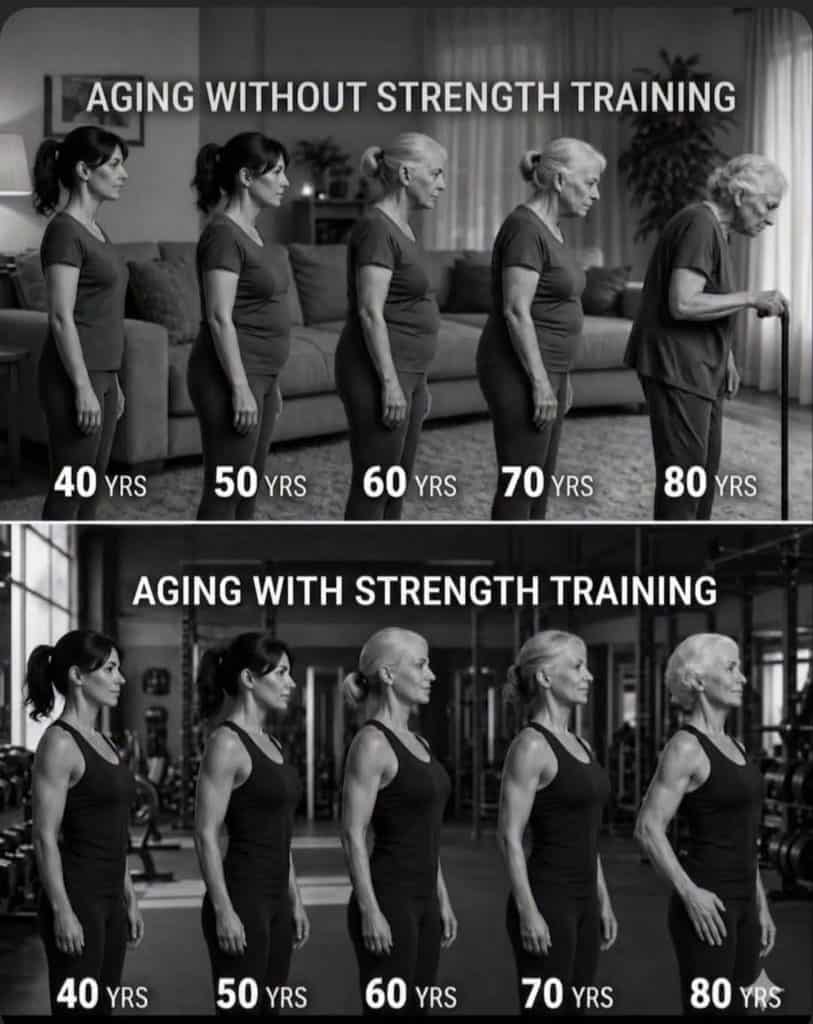
Starting around age 30, our bodies naturally begin to lose muscle mass if we aren’t actively working to maintain it. This process is called sarcopenia, or age-related muscle loss, and it can become more noticeable as we get older.
Losing muscle doesn’t just affect how strong we feel. It can also impact our metabolism, balance, energy levels, and ability to do everyday activities.
The good news? Strength training and proper nutrition can help slow down and even reverse some of this muscle loss.
Muscle Helps Support Your Metabolism
One of the biggest benefits of building muscle is its role in supporting a healthy metabolism.
Muscle tissue burns more calories at rest than fat tissue does. While building muscle won’t dramatically increase your daily calorie burn, maintaining more muscle can help support your metabolism as you age.
This is especially important when trying to lose weight. We don’t want to just lose pounds on the scale. We want to lose body fat while keeping as much muscle as possible.
Remember, losing weight and losing fat aren’t always the same thing!
Strength Training Helps With More Than Weight Loss
Building muscle isn’t just about looking toned or lifting heavier weights. It’s about keeping your body strong and capable of doing the things you enjoy.
Some of the benefits of strength training include:
- Stronger bones: Resistance training helps maintain bone density and may reduce the risk of osteoporosis.
- Better balance and stability: Stronger muscles can help reduce the risk of falls and injuries.
- Improved blood sugar control: Muscle plays an important role in how our bodies use glucose.
- Easier everyday activities: Carrying groceries, climbing stairs, getting up off the floor, and keeping up with your family all become easier when you’re stronger.
- Maintaining independence: Building strength now can help you stay active and independent as you get older.
You Don’t Have to Lift Heavy Weights to Build Muscle
One of the biggest misconceptions about strength training is that you have to spend hours in the gym lifting heavy weights.
That’s simply not true!
You can build strength using dumbbells, resistance bands, machines, or even your own body weight.
Some simple exercises to get started include:
- Squats or chair squats
- Lunges or step-ups
- Push-ups (even against a wall or countertop)
- Dumbbell rows
- Glute bridges
- Resistance band exercises
Aim to include strength training at least 2–3 days per week, allowing your muscles time to recover between challenging workouts.
The key is consistency and gradually challenging your muscles as you become stronger.
How CrossFit Can Help Us Stay Strong as We Age
One of the things I love about CrossFit is that it’s about so much more than just getting a good workout. It’s about building strength, improving endurance, challenging yourself, and learning what your body is capable of doing.
CrossFit combines strength training, cardiovascular exercise, and functional movements. These are movements we use in everyday life, such as squatting, lifting, pushing, pulling, and carrying things.
As we age, these movements become even more important.
CrossFit can help with:
- Building and maintaining muscle: Weightlifting and body-weight exercises challenge our muscles and help keep them strong.
- Improving bone health: Weight-bearing and resistance exercises help support bone strength.
- Increasing endurance: Combining strength and cardio helps improve overall fitness.
- Improving balance and coordination: Functional movements help us stay mobile and confident in everyday activities.
- Building confidence: There is something rewarding about accomplishing something you once thought you couldn’t do!
Another great thing about CrossFit is that almost every movement can be modified to meet you where you are. You don’t have to be in amazing shape to start. A good coach (and we have some of the best at CFA!) can help adjust movements, weights, and intensity based on your fitness level and abilities.
I’ve been doing CrossFit for years, and one of the biggest things it has taught me is that getting stronger isn’t always about lifting more weight or getting a faster time. Sometimes it’s about doing something you couldn’t do before, pushing outside your comfort zone, or simply showing up and putting in the work.
As I get older, I appreciate that strength more and more.
CrossFit isn’t the only way to build muscle, and it certainly isn’t something everyone has to do. But it’s a great example of how combining strength training, functional fitness, and a supportive community can help us stay active and strong throughout our lives.
The goal isn’t to train like we’re 20 forever. It’s to build a body that allows us to keep doing the things we love for as long as possible.
Don’t Forget About Protein!
Exercise is only one piece of the puzzle. Nutrition plays a huge role in building and maintaining muscle.
Protein provides the building blocks your body needs to repair and build muscle tissue.
As we age, getting adequate protein becomes even more important, especially if we’re trying to lose weight.
Some easy ways to add protein throughout your day include:
- Eggs or egg whites at breakfast
- Chicken, turkey, or lean beef
- Fish or seafood
- Greek yogurt or lactose-free high-protein yogurt
- Protein smoothies
- Beans, lentils, or tofu
Try including a source of protein with each meal rather than saving most of it for dinner.
What About Cardio?
Cardio is still important! Walking, running, biking, and other cardiovascular activities are great for heart health, endurance, and overall fitness.
But cardio and strength training serve different purposes, and combining the two is one of the best ways to support long-term health.
You don’t have to choose between them.
Even adding two days of strength training to your regular walking routine can make a difference over time.
Stop Focusing Only on the Scale
One thing I always encourage people to remember is that the scale doesn’t tell the whole story.
When you begin strength training, you may notice your clothes fitting differently, your body becoming stronger, or your energy improving, even when the number on the scale isn’t changing much.
Those are all signs of progress!
Building muscle while losing body fat can change your body composition without producing a dramatic change in your overall weight.
Your goal shouldn’t just be to weigh less. It should be to become healthier, stronger, and more capable.
It’s Never Too Late to Start!
Whether you’re 35, 45, 55, or 75, your body can still benefit from strength training.
You don’t need to be an athlete, join a CrossFit gym, or lift heavy weights to get started. Start where you are, use what you have, and focus on getting a little stronger over time.
As we age, building muscle becomes less about appearance and more about protecting our health, maintaining our independence, and continuing to do the things we love.
We can’t stop getting older, but we can take steps to stay strong as we age!
Final Thoughts
If you’re working toward weight loss, don’t make the number on the scale your only goal. Focus on nourishing your body, moving regularly, building strength, and creating habits you can maintain.
The muscle you build and maintain today is an investment in your future health.
Don’t just focus on losing weight. Focus on building a stronger, healthier YOU!
- – Jenn from West Michigan Weight Loss